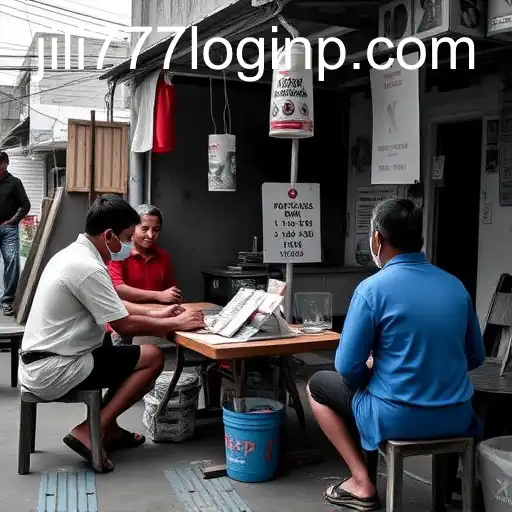
Understanding Jueteng: A Cultural and Social Phenomenon
Jueteng is more than just an illegal numbers game in the Philippines; it is a cultural and social phenomenon that has been deeply ingrained in Filipino society for decades. To truly understand its significance, one must delve into its history, operations, and the societal factors that allow it to persist. Despite being prohibited by law, Jueteng continues to flourish, largely due to its integration into daily life and its appeal as a potential escape from poverty for many.
The Mechanics of Jueteng
The game, resembling a lottery, involves players betting on numbers ranging from 1 to 37. These numbers are then drawn by operators, and winners are determined based on their chosen combinations. The appeal of Jueteng lies in its simplicity and the sense of community it fosters among players. Each locality has its own network of “cobradores” or collectors, who gather bets and bring them to the “kubradores” or supervisors, creating an effective grassroots structure.
Socio-Economic Impact
Despite being illegal, Jueteng has considerable socio-economic impacts. It is often seen as a source of livelihood, providing income not only for operators but also for the local communities involved in its collection and administration. Moreover, it acts as a financial hope for many who aspire to instant wealth amidst economic hardships. This, however, comes at a cost, as it perpetuates a cycle of dependency and frequently leads to corruption within law enforcement and political circles.
Jueteng and Corruption
The persistent prevalence of Jueteng can be largely attributed to the corrupt relationships that exist between operators and local officials. Bribes and payoffs often ensure protection and continued operation, creating a symbiotic relationship that allows the game to thrive. While legal action against Jueteng is occasionally undertaken, these efforts are often stymied by the entrenched interests benefiting from its continuation. This reflects broader issues of systemic corruption within the country.
Modern Threats: The Digital Shift and Jili777 Login
With advances in technology, the world of gambling is rapidly changing, and Jueteng is not immune to these influences. The growing popularity of online gambling poses a novel challenge to traditional Jueteng operations. Among the digital platforms gaining traction is Jili777, known for offering a wide array of online games, including digital versions of traditional betting games. The phrase "Jili777 login" resonates with potential gamblers seeking to transition from traditional forms of betting to digital platforms.
Jili777: Opportunities and Challenges
Jili777 provides users with easy access to gambling through its seamless login process, offering both opportunities and challenges for disruptors and traditional Jueteng participants alike. For many, the platform presents a more secure, regulated, and legitimate form of gambling compared to traditional Jueteng. However, this transition also raises questions about the digitalization of gambling and its societal impacts. Will digital platforms like Jili777 replicate the socio-economic benefits and drawbacks of Jueteng, or will they offer a fundamentally different gambling experience?
The Legal Landscape
Regulation of online gambling in the Philippines presents a complex legal landscape. The government has implemented measures to legalize and regulate online gambling to some extent, mainly through licensing. However, the coexistence of legal digital platforms and illegal traditional gambling operations poses regulatory challenges. Jili777, as a digital entity, navigates these complexities by ensuring compliance with relevant gaming authorities, thus contrasting sharply with the informal network of Jueteng.
Addressing the Jueteng Issue
Addressing the Jueteng issue requires comprehensive socio-economic reforms alongside stringent law enforcement measures. Efforts to eliminate Jueteng must include viable alternative livelihoods for those involved in the network to break the cycle of economic dependency. Moreover, addressing the root causes of corruption and ensuring robust enforcement of gambling laws are critical to dismantling the structures that allow Jueteng to thrive.
The Future of Gambling in the Philippines
As platforms like Jili777 continue to grow, they may steer the future of gambling in the Philippines towards a more regulated and formalized industry. However, achieving this goal necessitates a balanced approach that considers the socio-cultural context and offers solutions that protect vulnerable individuals from exploitation. The evolution from traditional to digital forms of gambling presents both opportunities for economic growth and risks of exacerbating gambling-related social issues.